What counts as illicit excavation under the 1970 UNESCO Convention
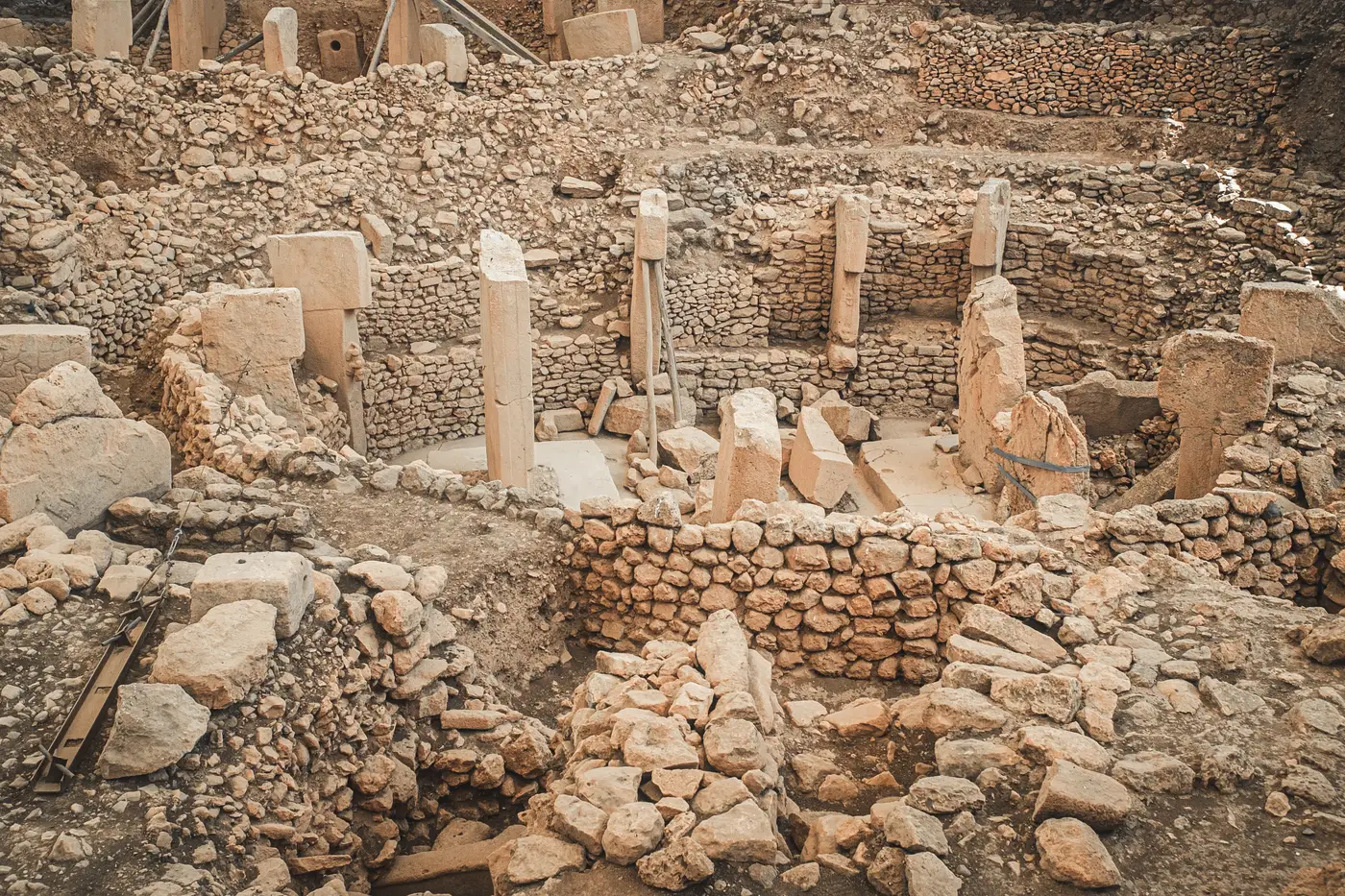
Officers writing up a site condition report after a fresh round of pitting often reach for the same shorthand: "illicit excavation under the 1970 Convention." It's worth pausing on what that phrase actually covers, because the Convention itself is narrower than the way people use it in the field.
What the 1970 Convention says
The full title is the Convention on the Means of Prohibiting and Preventing the Illicit Import, Export and Transfer of Ownership of Cultural Property. Read that again: import, export, transfer of ownership. Excavation isn't in the title, and it isn't directly defined in the text either.
Article 1 sets out the categories of cultural property the Convention covers, from products of archaeological excavations to antiquities and ethnological material. Article 3 is the operative clause most people are thinking of when they cite this instrument: it states that import, export, or transfer of ownership of cultural property carried out contrary to measures a State Party has adopted under the Convention is illicit. That's a definition anchored to the movement of an object across a border or a change of title, separate from the physical act of digging.
So where does digging come in? Mostly through Article 5, which asks States Parties to set up national services for protecting cultural heritage, including drafting and enforcing laws against unauthorized excavation on their own soil. The Convention tells states to legislate against clandestine digging. It doesn't itself spell out, item by item, what makes a given hole in the ground illegal. That job falls to each country's antiquities law, its licensing regime for archaeological permits, and in many cases its constitution's declaration that undiscovered antiquities belong to the state.
Illicit excavation vs. looting: not quite the same word
In everyday use on a monitoring team, "looting" and "illicit excavation" get swapped freely, and for most practical purposes that's fine. But there's a working distinction worth keeping straight in a report that might end up in front of a prosecutor or a foreign ministry.
Illicit excavation is the act itself: digging into an archaeological deposit without the permit, license, or state authorization the national law requires. It can happen with a trowel or a backhoe, and it doesn't need an export step to count. Looting is the broader pattern that usually follows: the removal, trafficking, and eventual sale of what came out of that hole, often crossing a border and landing in Article 3 territory. A site can suffer illicit excavation with the material never leaving the country, sitting in a dealer's back room three towns over. The Convention's enforcement teeth (import controls, due-diligence obligations on museums and the art trade, mechanisms for return and restitution) mostly engage once that second step happens.
This is also where the 1995 UNIDROIT Convention fills a gap the 1970 text leaves open: UNIDROIT explicitly addresses the restitution of illegally excavated cultural objects as objects, independent of any import/export transaction. If a State Party to 1970 wants a direct legal hook on the excavation itself rather than the cross-border movement, UNIDROIT or domestic patrimony law is usually where that hook lives.
What this means for a condition report
None of this changes what a site officer needs to document. A fresh pit, a new vehicle track cutting through a tell, a spoil heap that wasn't there last quarter: these are evidence of unauthorized excavation under whatever national law applies to that site, full stop, regardless of whether the material it produced has crossed a border yet. The 1970 Convention gives you the international framework and the vocabulary for the report that follows. It doesn't give you the detection.
That part still comes down to catching the disturbance early enough that a report means something. Running a dated before/after comparison of the site each quarter, rather than eyeballing archived frames one by one, is the kind of groundwork that turns "we think this happened sometime in the last six months" into a date range tight enough to hand to an investigator.
If your team is still comparing quarterly imagery by hand, Looting Monitoring is built to flag the new pits and tracks for you.