Field notes: the tell that grew forty new pits between two passes
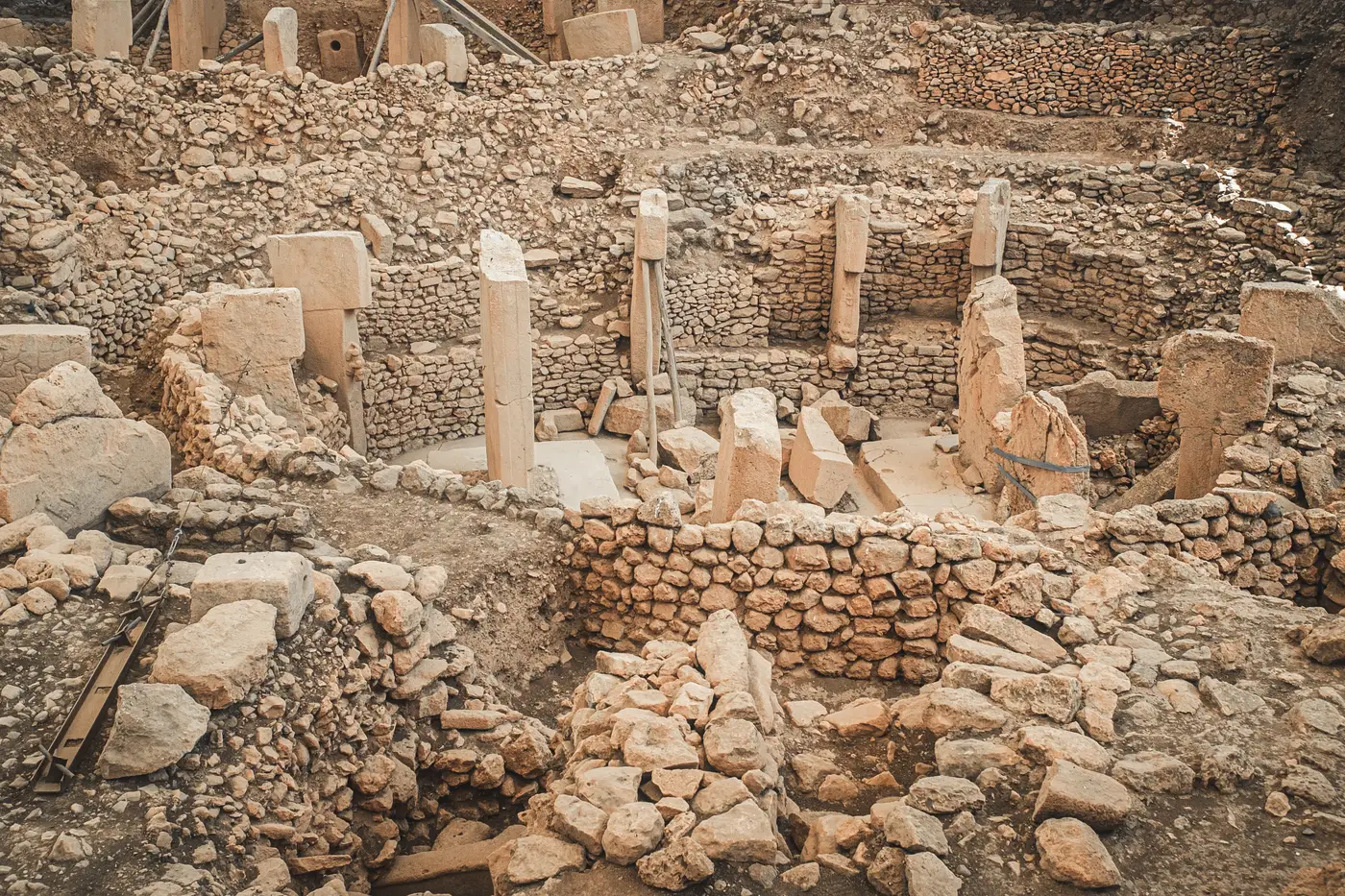
The pattern shows up often enough that anyone who reviews quarterly imagery for a living will recognize it before the second paragraph is done. A tell sits a kilometer or two from the nearest settlement, close enough that someone must pass it most weeks, far enough that "we didn't see anything" is technically plausible. The spring frame shows the surface mostly intact, a handful of old depressions softened by two seasons of rain. The summer frame, three months later, shows forty new pits, fresh spoil heaps still pale against the surrounding soil, and a crosshatch of vehicle tracks running from the mound to what's probably a dirt road just outside the frame.
Forty is not a number you get from opportunistic digging. A family with shovels on a weekend doesn't leave a pattern like that, evenly spaced, cutting across the high ground where the stratigraphy is richest. That's a crew, working in shifts or over several nights, probably with someone keeping watch. And a crew that size, moving that much spoil, does not operate invisibly next to an inhabited village.
Somebody heard the generators. Somebody saw the headlights on the track at 2 a.m. Somebody's dog wouldn't stop barking for three nights running.
The denial is usually a village protecting itself from a conversation it has no good way to finish. Naming names means naming neighbors, in a place where the looters are as likely to be local as not, and where the going rate for a night's digging can exceed a season's wage from the field next door. It means potentially naming whoever is paying for the digging, who is very often not local at all, and not someone a village wants attention from. "We saw nothing" is the safest sentence available, and it costs the monitoring officer nothing to disbelieve it quietly while still writing it down as the official response, because the imagery has already told the story the interview won't.
This is where the archived-frame comparison earns its keep, and where it also runs out of road. The before/after pair establishes that the disturbance happened, when roughly it happened, how extensive it is, and what direction the vehicle tracks run. What it doesn't do is tell you who, or where the material went, or whether the pits were dug for a specific commissioned piece or just dug and left when nothing turned up. That's ground truth work. It belongs to the people who can walk the site and knock on doors.
What the frames do settle, reliably, is the question that used to eat the most review time: is there anything here worth a field visit at all. Before a consistent quarterly pass, a lot of tells only got checked when someone happened to be in the area, or after a tip came in secondhand and already stale. A site could sit disturbed for two or three cycles before anyone with authority to act laid eyes on it, by which point the spoil heaps had weathered into the background and the trail, such as it was, had gone cold. Forty pits detected the same cycle they were dug is a very different starting point for whatever conversation follows, with the village or with whoever's buying.
None of this replaces the knock on the door. It just means the officer shows up already knowing the answer to the first question, which tends to shorten every conversation after it. Looting Monitoring runs that comparison every quarter against the archive so the fresh disturbance is already flagged before anyone has to scroll through a raw image dump looking for it.
If your review cycle still starts with a folder of unlabeled frames, it's worth seeing what a dated, flagged pair looks like for your own sites.